Kai Albrecht · 21 November 2026
Blacksmithing Workshops in Alderway Attract New Apprentices Seeking Traditional Skills
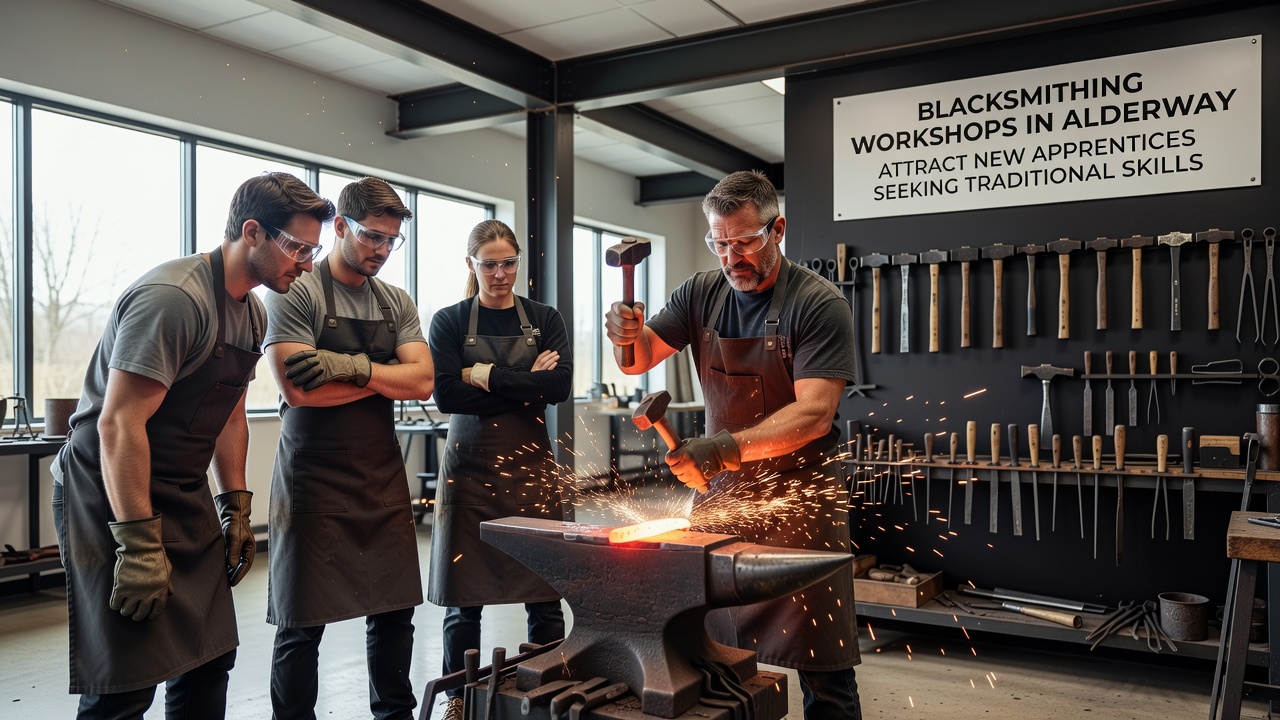
Blacksmithing workshops in Alderway have drawn increasing numbers of participants who want hands-on experience with traditional metalworking methods, and local organizers report steady enrollment growth through structured programs that combine historical techniques with practical safety training. Data from regional craft registries indicate that apprenticeship inquiries rose notably between 2023 and 2025, while enrollment figures for the current cycle show continued interest among adults aged twenty-five to forty-five who seek alternatives to digital careers.
Workshop Structure and Daily Operations
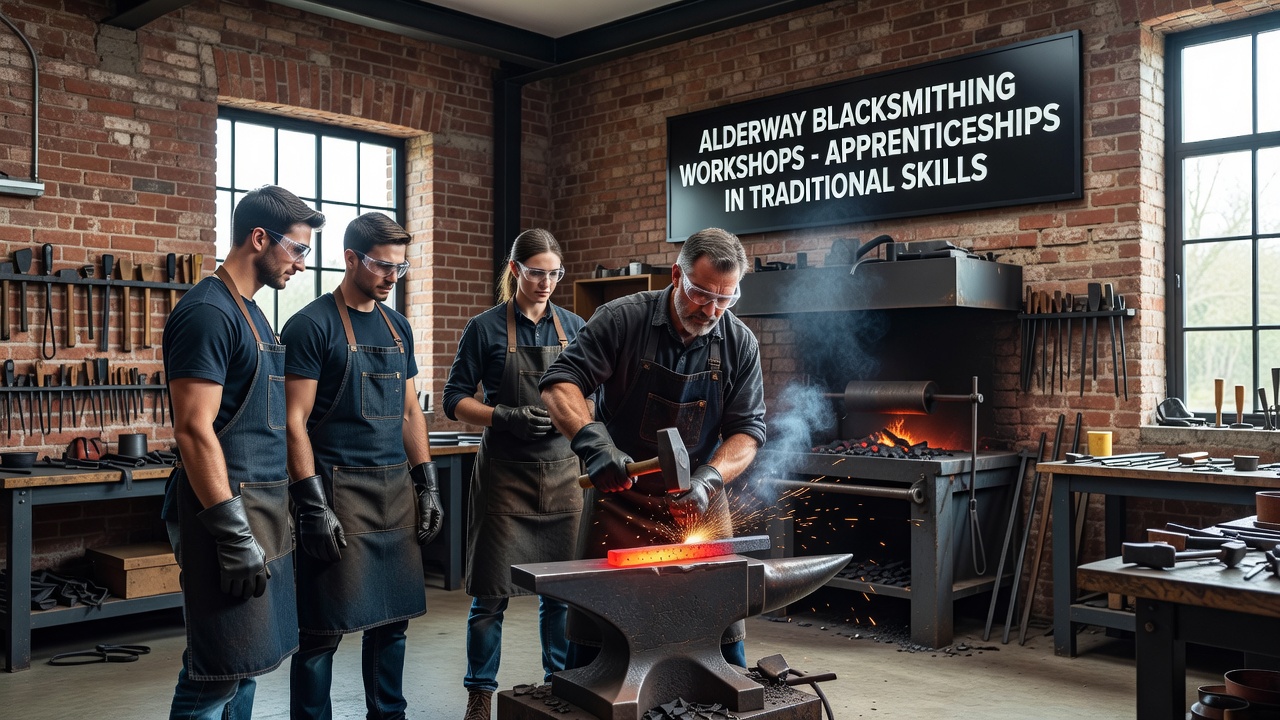
Programs run on a modular schedule that allows participants to attend weekend sessions or commit to longer intensive blocks, and instructors cover core processes such as drawing out stock, upsetting metal, and creating basic joints using coal-fired forges maintained at consistent temperatures between 900 and 1200 degrees Celsius. Apprentices begin with mild steel exercises that build hammer control before progressing to tool-making projects, while safety protocols require protective gear and supervised handling of hot stock at every stage. Sessions typically accommodate eight to twelve people so that each participant receives direct feedback during the forging sequence.
Equipment includes both restored nineteenth-century anvils and modern gas forges that allow precise temperature regulation, and organizers note that the combination helps participants understand how older methods scale to contemporary workshop conditions. The curriculum also incorporates metallurgy basics, teaching attendees to recognize grain structure changes during heating cycles and to apply appropriate quenching techniques when hardening edges.
Participant Demographics and Motivations
Records kept by the Alderway Craft Collective show that roughly sixty percent of current apprentices hold prior experience in construction or engineering trades, whereas the remaining forty percent come from unrelated fields including education and graphic design. Many cite a desire to acquire tangible skills that can supplement income through small-scale production of hardware and decorative items, and several participants have already sold their first batches of hand-forged hooks and brackets at local markets. Enrollment data further reveals a balanced gender distribution that has remained stable since the workshops expanded in 2024.
Skills Progression and Certification Path
Apprentices advance through three defined levels, each requiring documented completion of specific projects that demonstrate control over fire management, hammer work, and finishing processes, and successful candidates receive certificates recognized by the Heritage Crafts Association. Level one focuses on straight and tapered forms, level two introduces scrollwork and simple tools, and level three covers more complex assemblies such as hinges and locks. Assessment occurs through both practical demonstration and written records of material usage and temperature logs, ensuring that graduates can replicate results independently.
According to figures published by the Australian Heritage Commission, similar structured pathways in regional Australia have produced measurable retention rates above seventy percent after the first year of training. Observers in Alderway note parallel outcomes, with several graduates now offering their own introductory sessions to newer arrivals.
Community Integration and November 2026 Plans
Workshops maintain open days that invite residents to observe demonstrations without prior registration, and these events have become regular fixtures on the second Saturday of each month. Local suppliers provide coal and steel stock at discounted rates for program participants, which helps keep material costs predictable across the training cycle. In November 2026 the collective plans a joint exhibition with neighboring parishes that will display finished work alongside historical artifacts recovered from the valley, allowing visitors to compare contemporary pieces with examples from the eighteenth and nineteenth centuries.
Partnerships with nearby schools have introduced short taster modules for students aged fourteen to sixteen, and feedback collected after pilot sessions indicates strong interest in extending these modules into the regular curriculum. Training materials developed for the school program emphasize safe observation first, followed by supervised cold-working exercises that introduce basic concepts without requiring access to live forges.
Broader Context of Traditional Craft Training
Research compiled by the Canadian Conservation Institute highlights that regions investing in hands-on heritage programs experience measurable increases in local tourism spending tied to craft demonstrations. Alderway organizers have tracked similar patterns through visitor logs that record attendance from outside the immediate area during workshop weekends. The same reports note that retention of traditional skills depends on consistent access to both equipment and experienced mentors, conditions that current Alderway programming aims to sustain through volunteer instructor rotations and equipment maintenance schedules.
Links with European trade guilds have facilitated exchange visits, and two Alderway apprentices traveled to a partner workshop in southern Germany earlier this year to observe different forge layouts and tooling traditions. Those exchanges provided comparative data on fuel efficiency and workspace ergonomics that organizers are now incorporating into facility upgrades scheduled for early 2027.
Conclusion
Blacksmithing workshops in Alderway continue to expand their reach by combining documented training sequences with community access points that keep participation practical for working adults. Records show sustained enrollment alongside measurable skill acquisition among participants who complete the full progression, and upcoming events in November 2026 will provide further opportunities to assess long-term outcomes. The programs remain anchored in verifiable techniques and safety standards that support both individual development and wider preservation of craft knowledge.