Viktor Otto · 10 October 2026
Recording Sessions Document Alderway Residents' Experiences from Mid-Century Rural Life
Local historians launched recording sessions to capture firsthand accounts from Alderway residents who lived through mid-century rural life, and the initiative continues to expand its archive of audio interviews that detail farming practices, village customs, and post-war changes in the area. Researchers began the project in 2024 with support from community archives, while participants born between the 1930s and 1950s shared memories of daily routines that included hand-milking cows at dawn and traveling by horse-drawn cart to market towns.
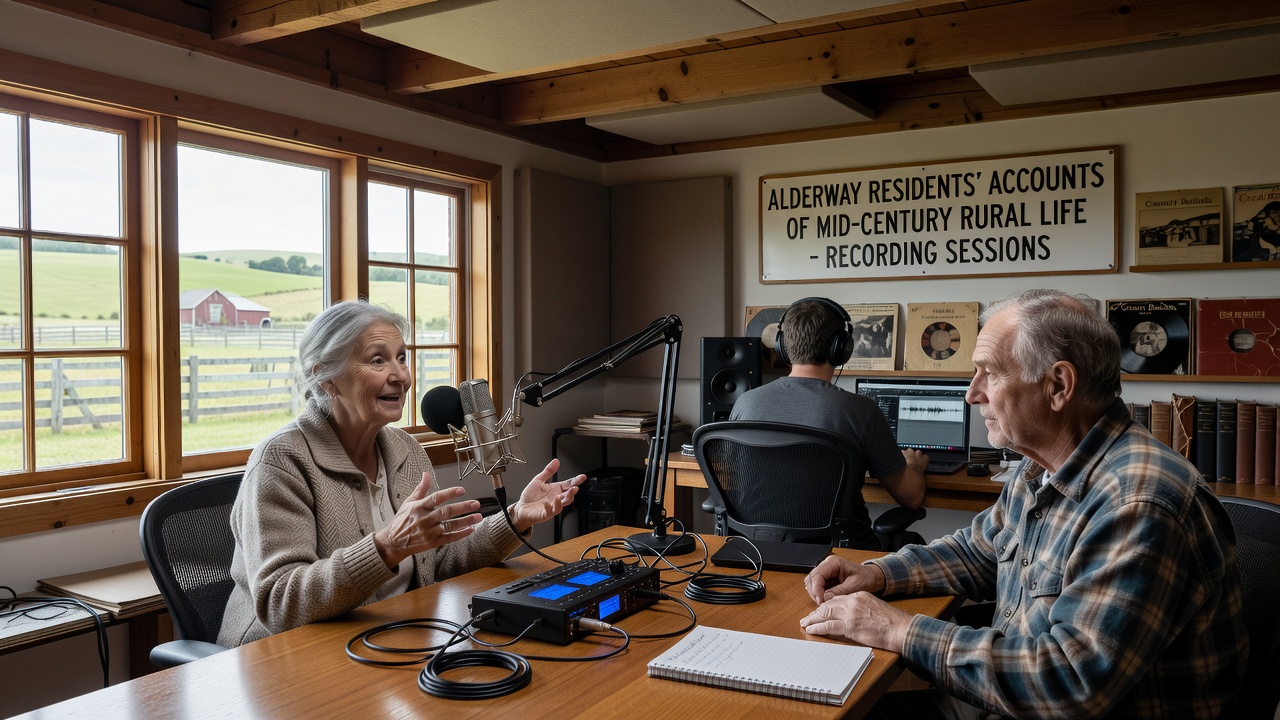
Those leading the effort note that sessions take place in residents' homes or community halls, where interviewers use portable recorders to preserve natural speech patterns and dialect features unique to the region. Data from the Oral History Association shows similar projects across rural districts have grown steadily since 2020, and Alderway's version follows established protocols for consent and transcription accuracy.
Project Background and Methods
Community volunteers coordinated with local libraries to identify potential narrators, and they scheduled initial meetings that allowed residents to review questions about land use, seasonal festivals, and the arrival of electricity and mechanized equipment in the 1950s. Observers note that each interview lasts between sixty and ninety minutes, after which audio files undergo editing for clarity before transfer to a secure digital repository accessible to researchers and descendants.
And yet the process remains flexible because participants often introduce topics such as wartime rationing or the impact of the 1960s agricultural subsidies that reshaped field boundaries across Alderway valley. Equipment includes lapel microphones and backup devices, while transcripts receive double-checking by two independent listeners to maintain fidelity to the original recordings.
Resident Accounts and Emerging Themes
One resident described rising at four in the morning to feed livestock before walking two miles to school, and another recounted the shift from threshing wheat by hand to using early combine harvesters that reduced labor crews from twenty to three people within a single decade. Stories also cover social gatherings at the village hall where dance bands played on Saturday nights, and how the introduction of television in the late 1950s altered evening routines for many families.
Researchers have catalogued recurring references to the 1953 floods that affected low-lying pastures, and these accounts align with meteorological records kept by the Met Office during that period. The project team plans additional sessions in October 2026 to include voices from outlying farms that have not yet contributed material, while existing interviews continue to undergo indexing for keyword searchability.
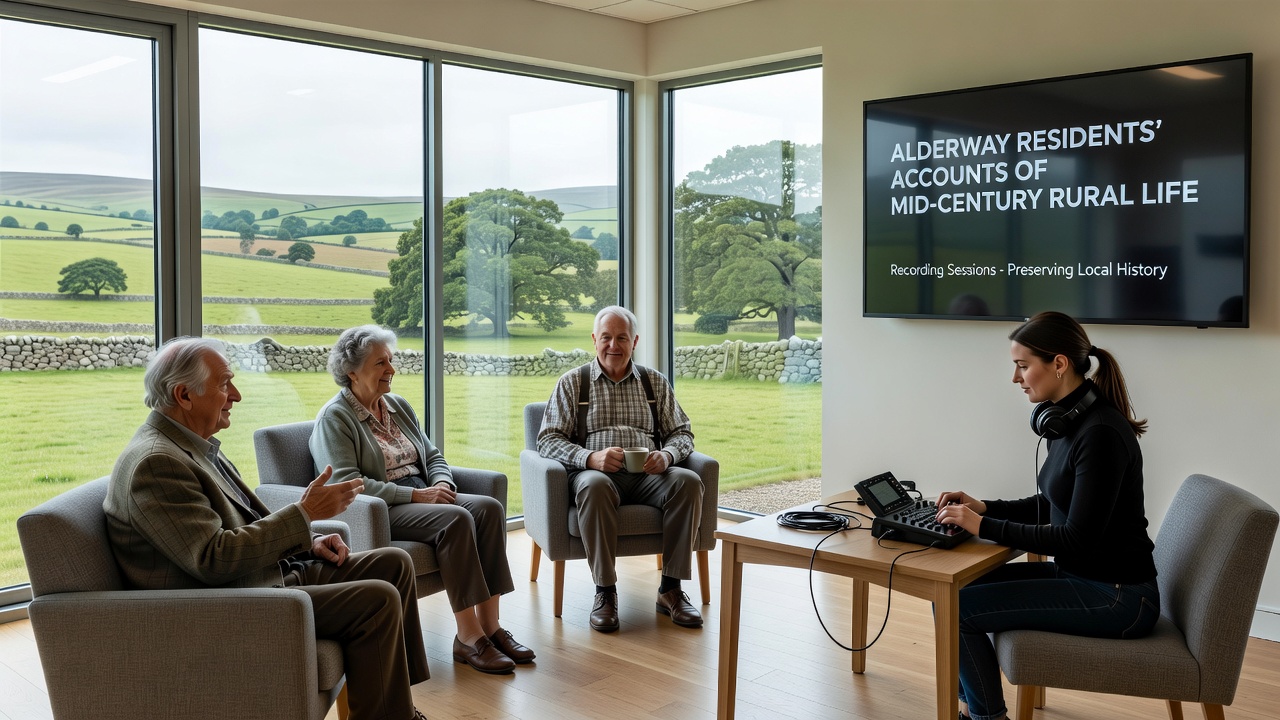
What's interesting is how narrators frequently contrast the physical demands of manual haymaking with the relative ease brought by balers and tractors, and many mention the closure of small dairies as larger cooperatives formed in the 1960s. These details provide context for economic shifts documented in agricultural census reports from that era.
Archiving, Access, and Broader Context
Once finalized, recordings enter a searchable database hosted by the regional heritage center, and excerpts appear in temporary exhibitions at the Alderway community hub. Library and Archives Canada guidelines on oral history preservation have informed metadata standards used here, and similar approaches appear in projects documented by institutions in Australia and the European Union.
Students from nearby colleges have begun using the material for local history assignments, while family members request copies to share with younger generations who never experienced the pre-mechanized landscape. The archive now holds more than forty complete interviews, and project coordinators expect the total to exceed sixty by the end of 2027.
Conclusion
The recording sessions continue to build a primary source collection that connects current residents with mid-century conditions in Alderway, and the resulting materials support educational programs as well as future academic study of rural transformation in the region. Ongoing work through October 2026 will add further depth to the collection while maintaining strict standards for accuracy and accessibility.