Alex Beck · 7 November 2026
Valley Libraries Launch Talk Series Documenting Shifts in Rural Daily Life
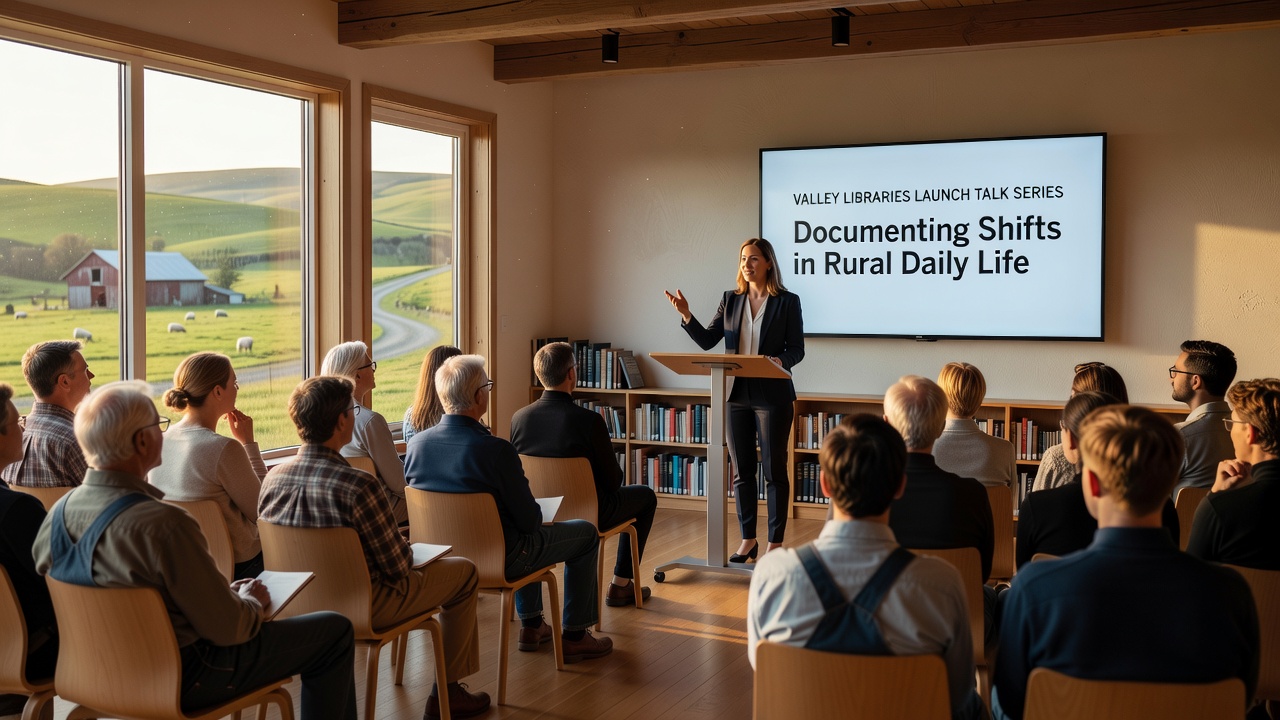
Valley libraries across several regions have introduced a coordinated talk series that records and examines ongoing transformations in rural daily routines, agricultural practices, and community structures, with the program set to feature its first major events in November 2026.
Program Structure and Objectives
Organizers designed the series to gather firsthand accounts from residents, historians, and local professionals through monthly discussions that explore how technology adoption, demographic movements, and economic adjustments alter everyday activities in rural settings. Libraries in multiple counties coordinate the sessions, which include live recordings archived for public access and future research use.
Each session focuses on a distinct theme such as evolving work patterns in farming households, changes in local commerce and supply chains, or the impact of remote education and healthcare services on isolated communities. Participants contribute stories and data points that illustrate measurable differences between current conditions and those documented in earlier decades.
Documentation Methods and Participation
Researchers and librarians employ standardized interview protocols during the talks to ensure consistent data collection, while attendees receive opportunities to submit written recollections or photographs that supplement the spoken narratives. The approach draws on established oral history techniques used by institutions like the Library of Congress American Folklife Center, which maintains extensive rural documentation projects.
Local historical societies and agricultural extension offices collaborate on topic selection and speaker recruitment, resulting in panels that combine academic perspectives with practical experiences from farmers, small business owners, and longtime residents. Attendance records from similar past events indicate strong community interest, with sessions often drawing between 40 and 80 participants per location.
Key Topics Covered in the Series
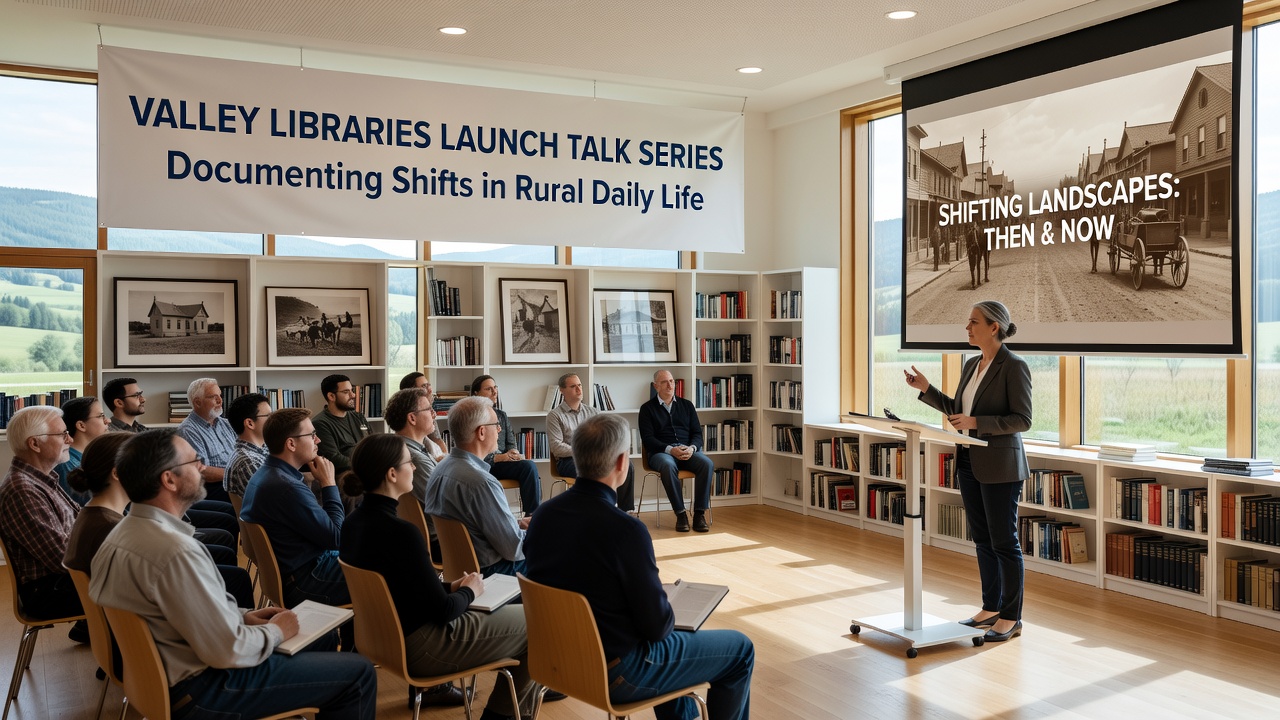
Discussions scheduled for late 2026 address specific shifts such as the transition from traditional crop rotation systems to precision agriculture tools, the decline in local retail options alongside growth in online purchasing, and alterations in seasonal migration patterns for work and family visits. Data from the U.S. Department of Agriculture shows continued consolidation of farm operations and corresponding changes in rural employment rates, figures that speakers reference to ground personal accounts in broader statistics.
Additional sessions examine the role of broadband expansion in enabling new forms of remote work and education, alongside challenges related to infrastructure maintenance in low-density areas. European rural development reports from the OECD highlight parallel patterns in member countries, providing comparative context that enriches the North American-focused talks without duplicating content.
Archiving and Public Access
All recorded sessions undergo transcription and indexing before placement in a digital repository maintained jointly by participating libraries. The archive permits keyword searches by topic, date, and geographic area, allowing users to trace patterns across multiple communities over time. Library staff plan to release quarterly summaries that aggregate key observations from the series for distribution to regional planning agencies and academic researchers.
Community members who cannot attend in person gain access through livestream options and subsequent podcast releases, which extend the reach beyond immediate library districts. Early registration data suggests interest from individuals outside the primary service areas, including urban residents with family ties to rural regions.
Conclusion
The valley libraries initiative establishes a structured mechanism for capturing contemporary rural experiences at a moment when multiple external factors continue to reshape daily life patterns. Through consistent documentation practices and wide public availability of materials, the series contributes verifiable records that support ongoing analysis of these changes.